

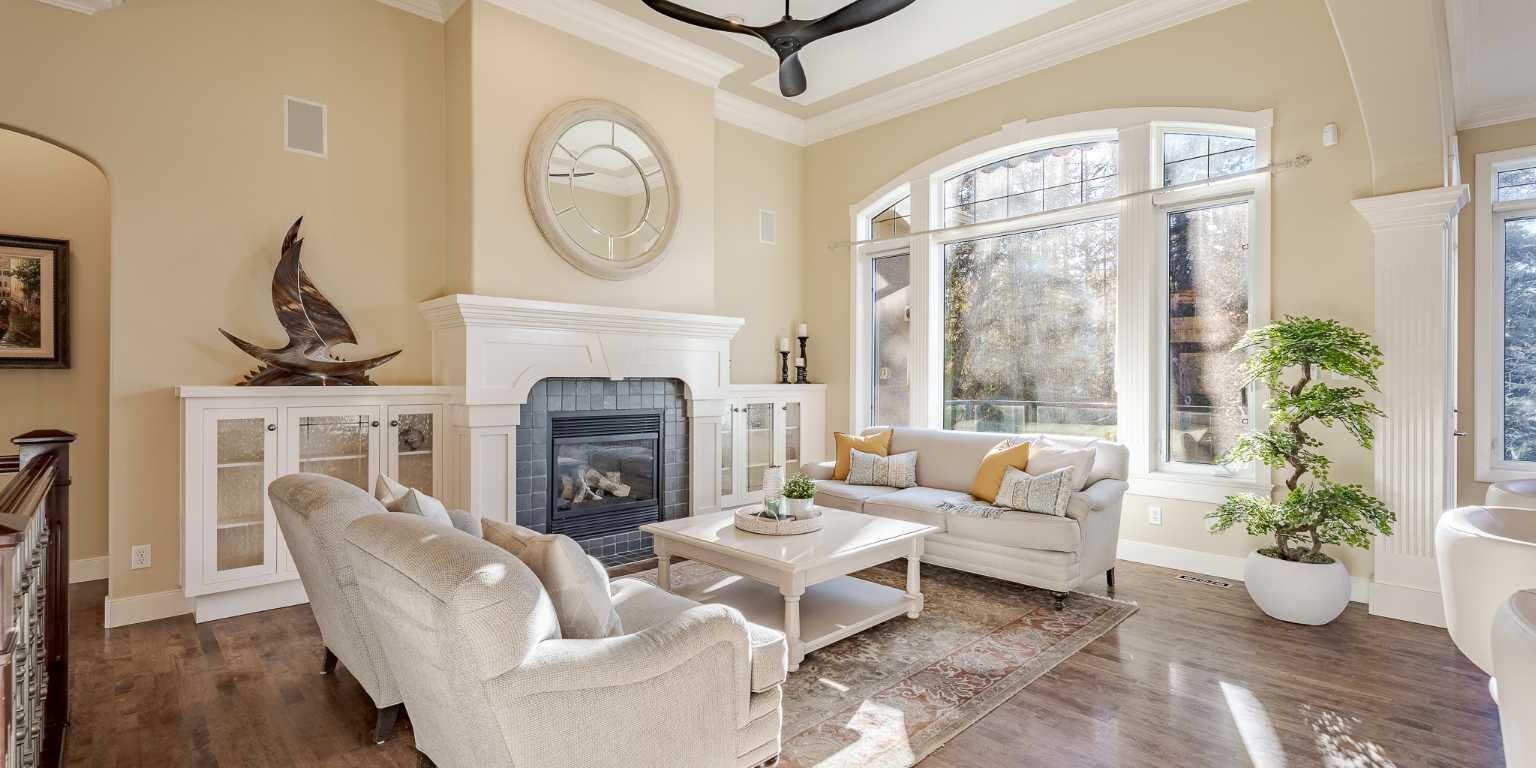
As both a home stager and a homeowner, I’m always considering two things when making changes to my own home:
Will this improve how my family and I live here today, and will it support the home’s resale value in the future?
Your home should reflect your personality, support your lifestyle, and bring you joy. However, thoughtful decisions can help you create a home you love without unnecessarily limiting its future appeal.
Don’t Wait Until You’re Ready to Sell
Too often, homeowners live with the same little annoyances for years. Perhaps it’s worn flooring, poor lighting, awkward storage, unfinished trim, or a room that simply doesn’t function well.
Then, when it’s time to sell, they finally complete all those updates for someone else to enjoy.
If an improvement will make your home more functional, comfortable, or beautiful, consider completing it while you still have time to benefit from it.
The project may cost a similar amount whether you tackle it today or immediately before listing. By completing it sooner, you receive more value from your investment through years of improved everyday living.
Where Should You Invest First?
In my experience, the strongest investments tend to accomplish three things:
- Remove a visible drawback or buyer concern
- Improve everyday function
- Make the home feel more cohesive and well maintained
Buyers often notice problems more strongly than they reward expensive extras. Before adding something new, address the areas that already make the home feel dated, damaged, or unfinished.
Improvements With Broad, Lasting Appeal
Repairs and Maintenance
Start with the basics. Cracked tiles, damaged walls, leaks, worn carpet, unfinished trim, and overdue repairs can suggest that a home has not been properly maintained.
These may not be the most exciting projects, but they protect your investment and allow you to enjoy a more polished home now.
Consistent Flooring
Flooring can have a significant impact because it extends throughout such a large portion of the home.
It may be worth updating when:
- Carpet is worn, stained, or dated
- Tile is cracked or damaged
- Several different flooring materials compete on one level
- Flooring transitions make rooms feel smaller or disconnected
Consistent flooring can make a home feel larger, calmer, and more cohesive. Choose a durable, timeless option that suits the property and appeals to a broad range of future buyers.
Paint and Lighting
A cohesive paint palette and improved lighting can transform a home without requiring a major renovation.
Fresh paint helps spaces feel clean and connected, while updated fixtures and appropriate lighting levels improve everyday function, listing photography, and the home’s overall atmosphere.
Practical Storage
Thoughtful storage improvements can make daily routines easier while adding buyer appeal.
Consider improving closets, pantries, mudrooms, laundry rooms, and entryways. The goal is to create storage that feels useful and flexible, rather than so customized that it only works for one household.
Kitchen and Bathroom Refreshes
You do not always need to completely renovate a functional kitchen or bathroom.
Updated hardware, lighting, mirrors, paint, backsplash, counters, faucets, or refinished cabinetry may create the impact you need at a more manageable cost.
A thoughtful refresh can often improve the space without the expense and disruption of a full renovation.
Curb Appeal
The outside of your home creates the first impression.
Healthy landscaping, attractive exterior lighting, a clean entrance, visible house numbers, and a freshly painted front door can help a home feel welcoming before anyone steps inside.
What About Basements and Solar Panels?
Clients often ask whether developing a basement or installing solar panels will increase their home’s resale value.
The answer depends on the property, neighbourhood, quality of the work, upfront cost, and how long you plan to remain in the home.
A developed basement can provide valuable space for a family, particularly if it includes a bedroom, bathroom, office, recreation area, or legal income suite. However, homeowners should not automatically assume they will recover the full development cost when they sell.
Solar panels and other energy-efficient improvements may reduce operating costs, improve comfort, and appeal to energy-conscious buyers. Their financial value can depend on installation costs, available incentives, the condition of the roof, and whether the system is owned or financed.
These projects may still be excellent lifestyle investments if you will personally use and enjoy their benefits for several years. If you are completing them solely to prepare for an upcoming sale, there may be more strategic places to invest first.
Improvements to Approach Carefully
Before committing to a renovation, be cautious about:
- Highly personalized permanent finishes
- Luxury improvements that exceed the expectations of the neighbourhood
- Removing a bedroom, bathtub, garage space, or useful storage
- Expensive technology that may quickly become outdated
- Elaborate landscaping that requires significant maintenance
- Completely renovating a functional room when a thoughtful refresh would be enough
The most expensive option is not always the most valuable. The right investment should be appropriate for the home, your lifestyle, and your longer-term plans.
Questions to Ask Before You Renovate
Before moving forward, consider:
- Will this improve how we live in the home today?
- Does it solve a noticeable problem?
- How long will we be able to enjoy it?
- Is it appropriate for the home and neighbourhood?
- Will it appeal to a broad range of future buyers?
- Are we choosing something timeless or highly personal?
- Are we improving the home as a whole or over-investing in one area?
If you’ll enjoy and benefit from an improvement for several years, any eventual resale benefit may be considered a bonus. If you’re planning to sell soon, prioritize removing buyer concerns and improving the home’s overall presentation.
Design Advice With a Stager’s Perspective
It can be difficult to know which projects to tackle first, especially when several areas of your home need attention or you’re considering a costly renovation.
This is part of what makes Happy Place Spaces unique.
We combine our experience and education in interior design, home staging, professional organization, and Feng Shui. We consider how your home looks, how it functions, how it feels, and how today’s decisions could influence its future appeal.
During a Happy Hour Consultation, you can ask us about:
- Which improvements to prioritize
- Paint colours, flooring, lighting, and finishes
- Furniture placement and room functionality
- Storage and organization challenges
- Renovation ideas you’re considering
- Choices that could support or limit future resale
Our goal is to help you make confident, thoughtful decisions that improve your home for the life you’re living today while keeping its future in mind.
Ready to make thoughtful improvements to your home? Book a Happy Hour Consultation with Happy Place Spaces.